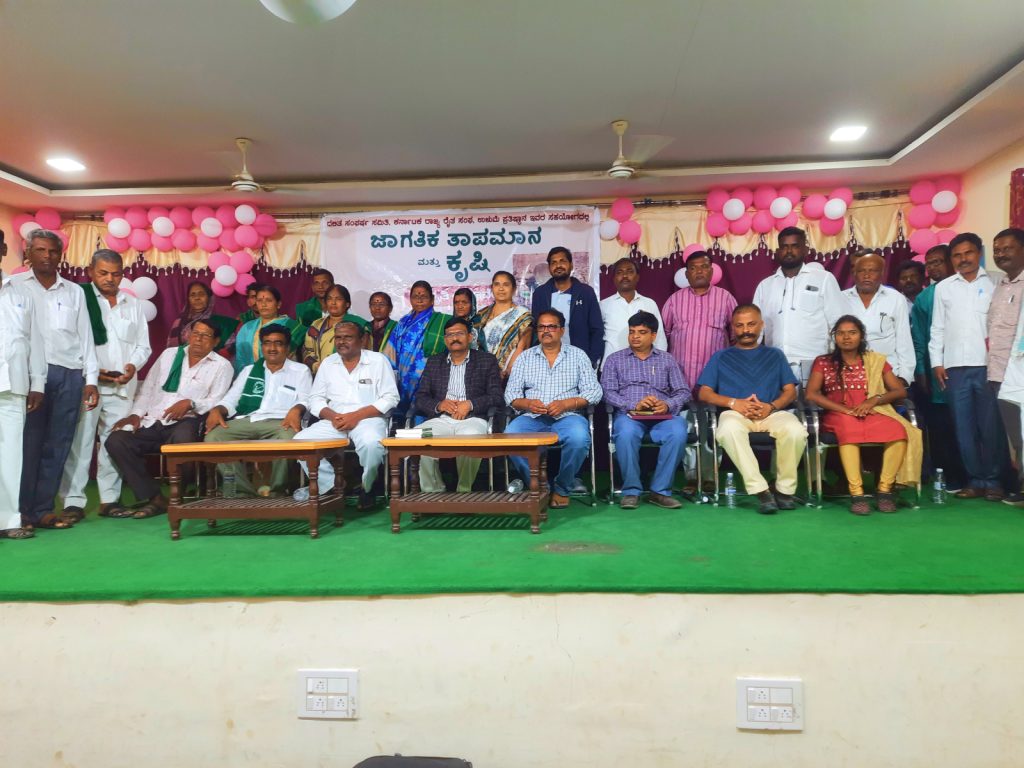
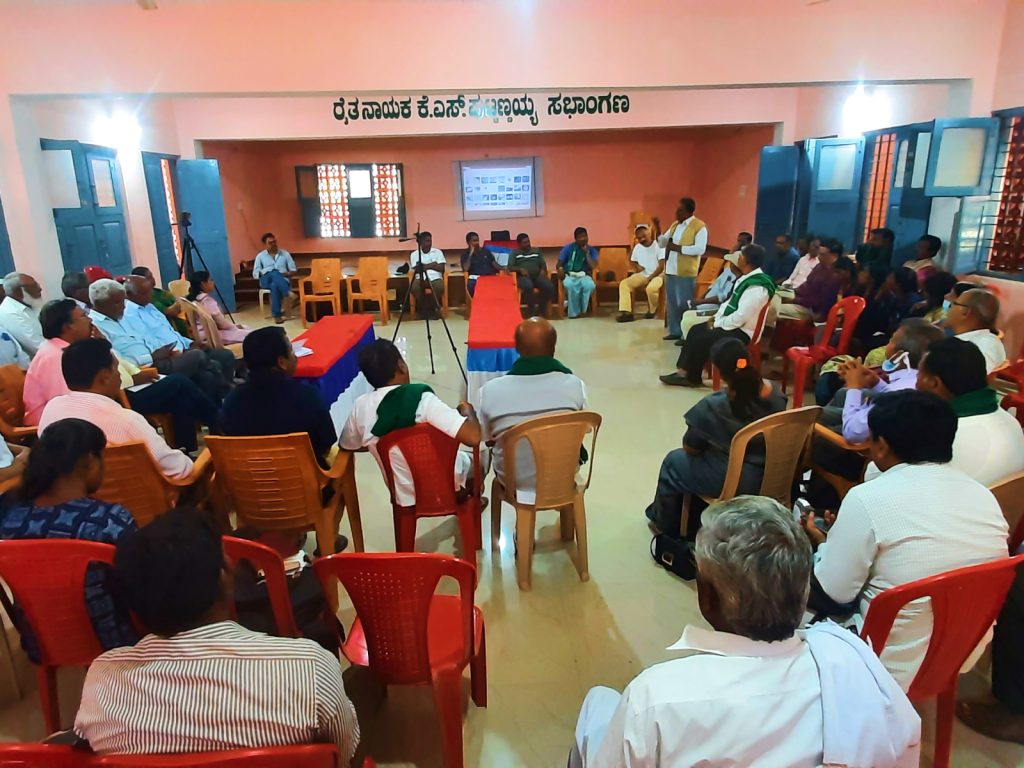
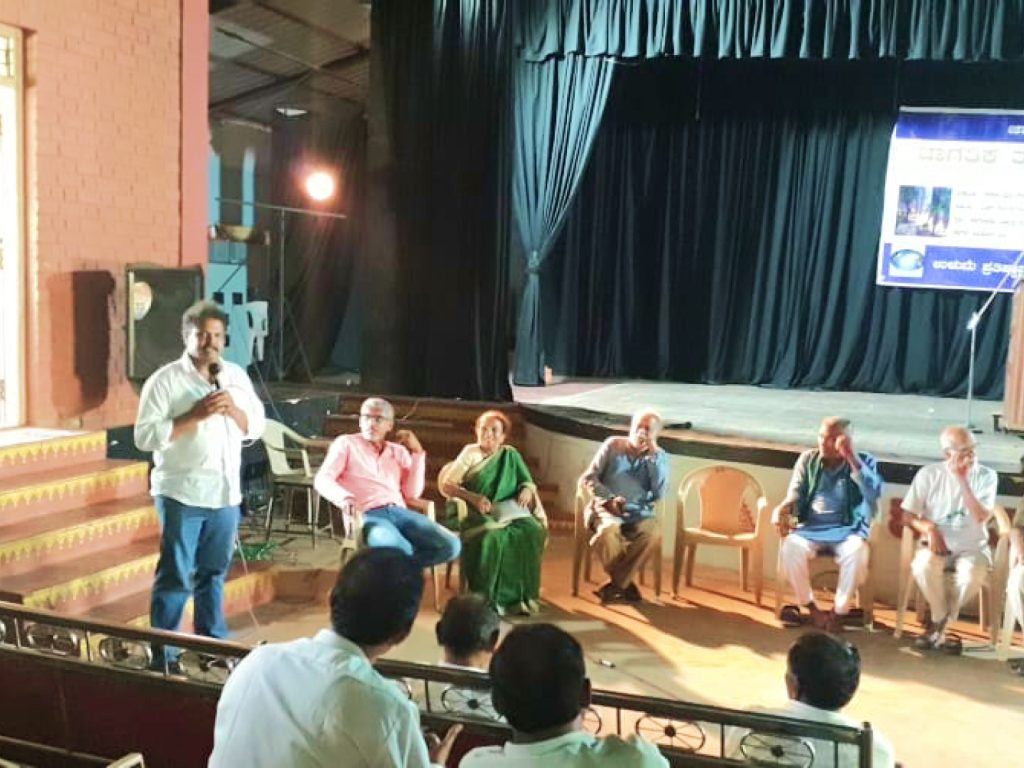
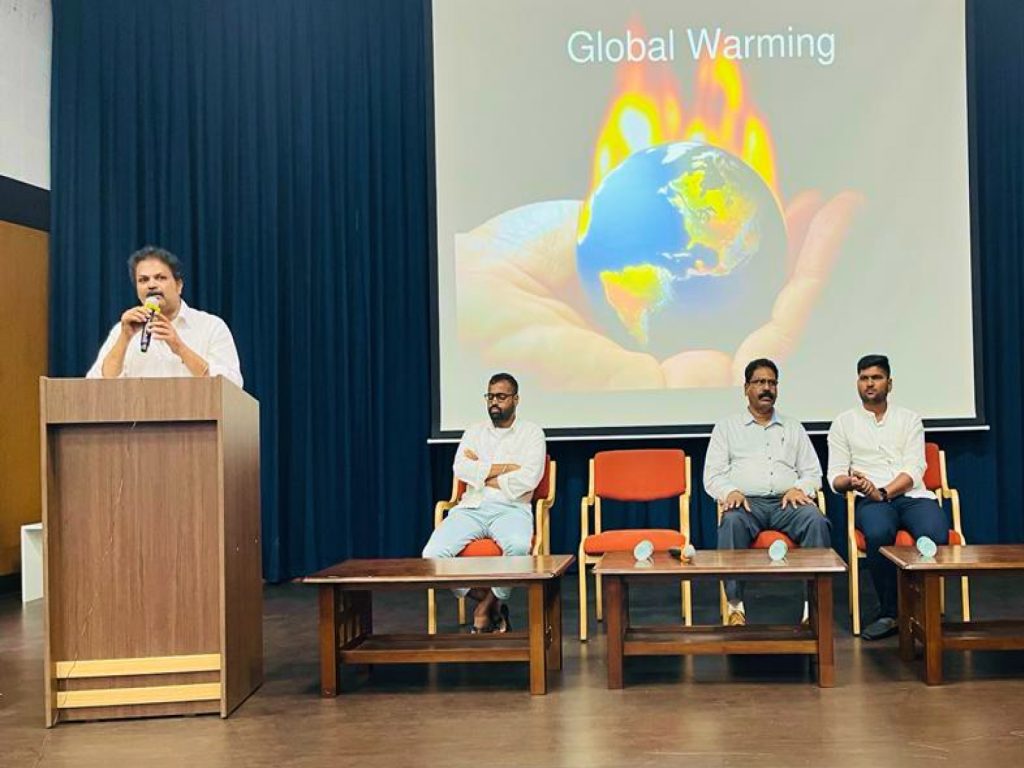
Global warming is the gradual rise in the overall earth temperature. This leads to long term shifts in weather patterns. Changes in precipitation, increases in the frequency or intensity of some extreme weather events, melting glaciers and warming oceans, increasing the numbers of floods, fore frequent and intense droughts, storms, heat waves, wildfire, frost-free season and growing season is lengthen are some of the examples of climate change.
There are many more scientifically proven impacts from rising temperature and changing in climatic conditions is disturbing the life style of the living beings. And it threatens the fundamentals of safe drinking water, good air, nutritious food and safe shelter.
WHO reports that around 2 lack people were dying every year because of drastic change in the climatic conditions. The IPCC panel reports that around 42,000 species have become extinct so far. And they warned that by 2030 – 2050, around 3 lack people will die every year due to increasing heat waves floods, viral diseases, malnutrition, etc.
Previous 5 extensions which occurred naturally have destroyed thousands of species. But the coming up 6th extinction will destroy 99% of the living beings within 100 years of time if the same situation continues. Most important factor is there will no trace of human existence on the Earth.
The 6th extinction will not be a natural one. Humans stupidity has brought us to the brink of this extinction. Yes, we are the culprits. Nature has given us everything to live comfortable life on this plant. But, as knowledge grown up, we have adopted a culture where most of things certainly not required to live on this mother earth.
On this extravagance, superfluity life style that we are adopted, producing some greenhouse gases that are damaging nature. (Carbon Dioxide (CO2), Methane (CH4), Nitrous oxide (N2O), Hydrofluorocarbons, (HFCS), Perfluorocarbons (PFCS), Sulfur hexafluoride (SF6), Nitrogen trifluoride (NF3), Hydrochlorofluorocarbons (HCFCS), Sulfur dioxide (SO2), Nitrogen oxides (NOx) etc.). These gases are the major contributors to increase the earth temperature and climate change.
In 1950s, CO2 percentage in atmosphere were around 300 ppm. Today it was around 412 ppm. Around 54 gigatonne of CO2 were producing in each year by human activity. 1 gigatonne is equal to 10,00,00,00,00,000 kg. In the same way methane is producing around 897 metric tons by human activity. Nitrous oxide was around 275 million metric tons.
Carbon dioxide will stay in the atmosphere for more than 1000 years. Methane will stay around 12 years. Nitrous oxide will stay around 114 years. Fluorides will stay more than 1000 years in atmosphere.
Most important is, one kg methane is equivalent to 24 kg of carbon dioxide. One kg nitrous oxide is equivalent to 298 kg of carbon dioxide. One kg fluorides are equivalent to 22,800 kgs of carbon dioxide.
Human beings are called it as intelligent creature. Now we need to understand that, “earth is most important for human existence, but, earth will not require humans to survive or to reignite by himself once the 6th extinction will taken place”.
If we have even a bit of conscience, we must prevent the upcoming 6th extinction. There is still an opportunity left for us to escape from a terrible tragedy when we cut down all the activities that are damaging environment. Mainly the production of greenhouse gases has to cut down at least 65%. To achieve this target we don’t have longer span of time. We have only 10 to 12 years of time.
By this time we need to restrict the mining activity according to our very basic needs.
The daily use of petrol, television, refrigerator, air conditioner, mobile, internet, coal generated electricity, chemical fertilizers, chemical paint should be reduced by more than 50%.
Forest should be cultivated and saved. Rivers, lakes, wells, tanks should be cleaned and water holding capacity should be increased.
Solar energy should be utilized as much as we can.
There should be restriction on personal vehicle usage. Public transportation efficiency has to be reached every corner of the villages. Schools, colleges, office, hospitals should be within the 5 kms radios.
For every 3 acres of agriculture land, one acre should be converted into a Food Forest. And the agriculture practice should be followed by non-chemical farming principals.
These are just a few examples. There are many more nature friendly or eco-friendly alternatives. We need to adopt those in our life style. Next coming 15 years of continues effort will make us to breath.
Mass movement starts from an individual. One person right thought can be motivating force for thousands of people. To succeed this mass movement, changes must begin with me, my family, my friends, my village, my city, my country and people across the world. I strongly believe this.
Carbon sequestration of Food Forest
As carbon dioxide production increases year-by-year, more and more percent of carbon dioxide is storing in the atmosphere. How to reduce it? is a big challenge. Scientists are finding alternative ways to reusing the CO2.
“Tree makes their own food” through photosynthesis process. In this process CO2 is the major element. So, experts are saying that planting more and more trees will help to reduce the percentage CO2 that are stored in the atmosphere.
Yes this is one of the alternative method. But, it’s not a permanent solution. Because every year the production of CO2 is increasing by human activity. Excess numbers of plants will also cause additional damages the eco-friendly system too. And there are many projects working on to improve or to adopt tree based agriculture farming methods. But many of them are restricting the crops by saying that one or two verities is good enough. Even in forest area also. This mono culture method will also damage the eco-system, it will damage the basic quality of soil and it will disturb the biological, physical and chemical process.
Food Forest
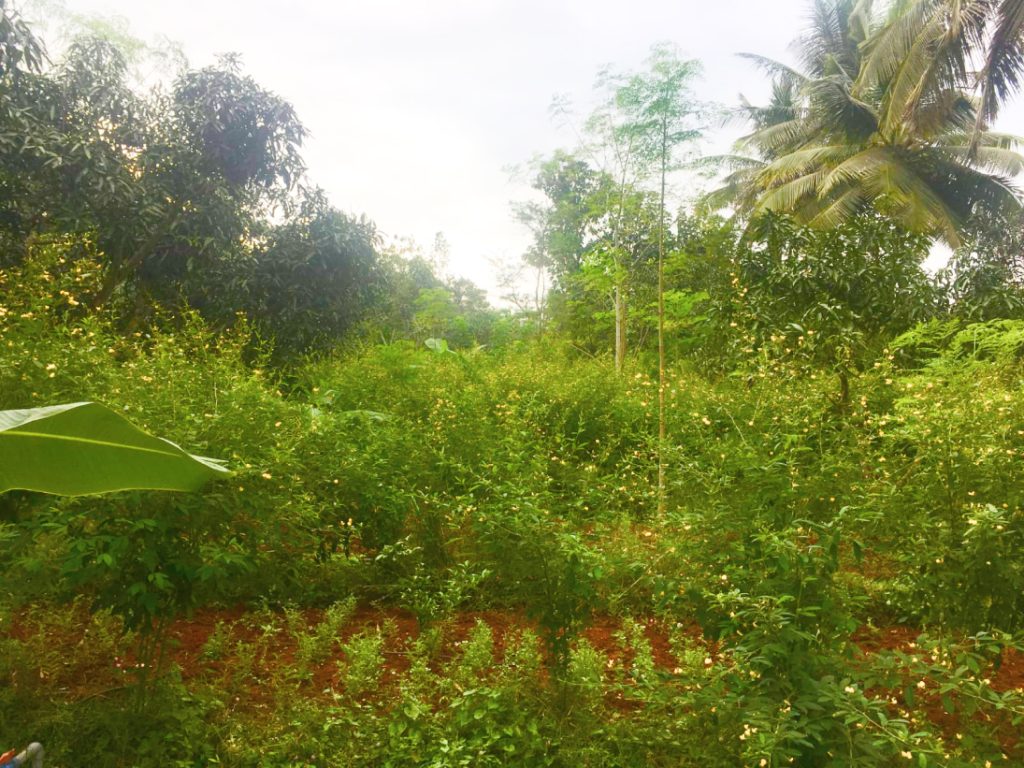
Food forest is a tree based agriculture farming method developed under Belakina Besaya followed by non-chemical farming principals.
In this food forest, we can accommodate around 1000 plants with 30 verities of crops in an acre. For example, big trees like Mango, Sapota, Cashew, Jamoon, Jackfruit, Tamarind etc. can accommodate 35 numbers.
Small trees like orange, mosambi, amla, cherry, fig, etc. can accommodate 25 numbers. And banana, papaya, drumstick can accommodate 600 numbers. Promogranite around 100 numbers, lemon and crusted apple 140, teak or red sandal or mahogany or sandal wood can be around 70 numbers. In between these plants as intercrops we can grow seasonal crops like pulses, millets, vegetables, flowers etc.
This combination of the plants will help us to cut down malnutrition. And also it will help us to increase Humas and Soil Carbon percentage. Most importantly it will help to increase microbial activity by providing nutritional food.
And if we calculate the Carbon sequestration of our food forest. In general a tree can absorbs anywhere between 10 kg to 40 kg of CO2 per year on average. The percentage will vary with the size of the plants. For example: 15 feet width and 15 feet height grown mango tree has the capacity to absorb around 25 kg of carbon dioxide in a year for photosynthesis process.
Banana, pappaya, drumstick plants can absorb around 10 kg / year. Orange, mosambe, Guava, promogranite plants can absorb around 20 kg / plant / year. Timber spices like teak, mahagani, etc. will have the capacity around 35 kg / year / plant.
Vegetables and Pulses. It is very difficult to judge the absorption capacity by each plant. But a rough estimation is, in our food forest we can grow around 4,000 plants in an acre of land in one season. Generally these crops have life span of 120 days. In these 120 day, the biomass of each plant will have around 5 to kg. So, 4,000 plants X 5 kg = 20,000 kg. As per the experts information, the plant biomass will contain 10 to 20 % of carbon. If we consider 10% it may come around 200 kg.
From one acre of Food Forest, the absorption of carbon dioxide during photosynthesis process will consider as 10kg / plant X 1,000 plants 10,000 kg / year.
Note: during the developing stage upto 2 to 3 years the absorption of carbon dioxide will be lesser quantity, since the plants are young. Once the plants grown up we may consider the above calculation of 10,000 kg.
Crop residues and stable carbon.
Each and verity of plant has their own life span. Once the plants life span end, leafs, steams, branches, etc. will die and fall it down to the soil. And these crop residues will decompose in the soil and it will release the nutrients that are stored when they are alive. This process will help to increase Soil Carbon percentage in the soil.
To increase the soil carbon percentage and to fix the carbon in soil, we have to maintain combination of crops like monocot, dicot, nitrogen supplying crops, nitrogen fixing crops, oil seeds, spices, etc. and we should not burn the crop residues. Or we should not till the soil on regular intervals. Most importantly we have to give the space for microbial activity.
Then during decomposition process the carbon will settle as stable carbon in the soil and it leads to improve soil carbon percentage. When we are not maintaining the combination of the plants (30 verities of crops in an acre) the carbon content releases by cop’s residues will not settle or fix or stable in the soil. Nor it will convert into Soil Carbon. Instead of this, the carbon will evaporate to the atmosphere by maximum percentage. And it will convert into carbon dioxide. This will impact the same condition as we are facing now a days.